History
A Brief History of Elizabethtown
Founded in 1798, Elizabethtown is among the oldest communities in New York’s North Country and has long served as the county seat of Essex County. Set between the Adirondack High Peaks and Lake Champlain, the town developed early as a crossroads for trade, travel, and civic life.
Although established shortly after the American Revolution, the surrounding Champlain Valley played a strategic role during the war, serving as a vital corridor for troops and supplies moving between Canada and the Hudson Valley. That frontier legacy continued into the War of 1812, when Elizabethtown functioned as an organizational and administrative center supporting regional militia forces during a period of sustained military tension along the northern border.
By the mid-19th century, Elizabethtown had emerged as a place of outsized civic and intellectual influence. It was the hometown of Orlando Kellogg, a prominent journalist and political writer whose work helped shape national debates of his era, and Learned Hand, widely regarded as one of the most influential judges in U.S. history, whose opinions remain central to American constitutional law. The town was also associated with Inez Milholland, the nationally known lawyer, suffragist, and reformer whose work reflected the era’s broader movements for democratic and social change.
Elizabethtown’s moral commitments were evident in its quiet participation in the Underground Railroad, assisting freedom seekers on their journey north. This legacy was powerfully underscored in 1859, when the body of John Brown lay in state at the Essex County Courthouse, drawing thousands through the town in one of the most consequential moments leading up to the Civil War.
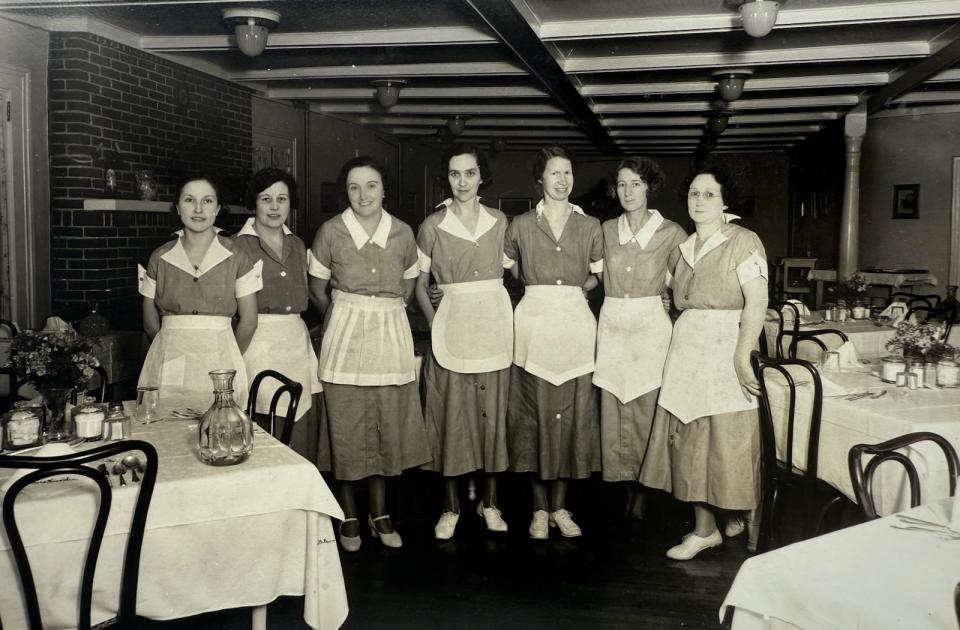
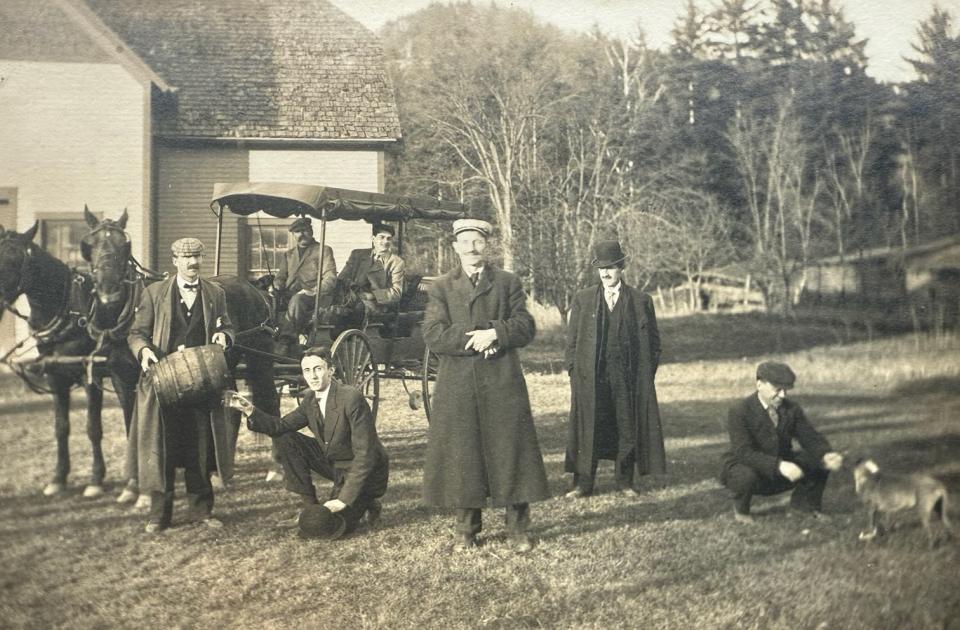
In the 19th century, Elizabethtown supported a range of water-powered industries, including sawmills, gristmills, and tanneries, which anchored its working economy. At the same time, the town was home to well-known inns such as the Windsor Hotel and the Deer’s Head Inn, welcoming travelers, public figures, and outdoor enthusiasts—including U.S. Presidents Grover Cleveland and Benjamin Harrison—for generations.
Alongside its civic and commercial life, Elizabethtown also developed a distinct artistic and cultural tradition. In the early 20th century, the town and its surroundings attracted painters drawn to the Adirondack landscape, including those associated with the Old Mill painting school, helping establish Elizabethtown as a modest but meaningful center for regional art. During this same period, Elizabethtown became a residence for the renowned cellist Gregor Piatigorsky, whose presence reflected the town’s quiet appeal to artists seeking both inspiration and refuge. Theaters, performance halls, and multipurpose venues hosted plays, concerts, lectures, and traveling shows, sustaining a lively tradition of local and visiting performing arts through the first half of the 20th century.
Today, Elizabethtown remains a place where history, civic life, and creative expression intersect, shaped by generations who engaged deeply with the political, moral, and cultural questions of their time.